Winter in Western Canada tests every vehicle on the road. Temperatures drop fast, roads ice over, and snow, slush, and road salt show up overnight. At the same time, more Canadians are driving electric vehicles than ever before.
EVs handle winter well, but they behave differently from gas vehicles. Cold weather affects battery chemistry, driving range, charging speed, and how some safety systems respond.
None of this should stop you from driving an EV in winter, but it does mean you need to prepare differently.
This guide breaks down practical EV winter driving tips you can use before, during, and after every trip. It explains what changes in cold weather and how to adjust your habits for safer driving and better range.
At Craftsman Collision, we repair and inspect EVs year-round across Western Canada. We see how winter impacts batteries, sensors, aluminum panels, and underbody components, so these tips come from real winter driving conditions, not theory.
How cold affects EVs
Cold weather changes how EVs use and store energy, and the reason comes down to battery chemistry and how EV systems manage heat.
First, EV batteries produce less power in the cold. Lithium-ion batteries rely on chemical reactions to release energy, and when temperatures drop, those reactions slow down. The battery still works, but it delivers energy less efficiently. This shows up as reduced EV winter range.
Second, EVs use more energy to keep you warm. Unlike gas cars, EVs do not create excess heat from an engine. Cabin heat pulls energy directly from the battery, and defrosting windows, heating the cabin, and warming the battery all increase energy use.
Third, regenerative braking limits itself in low temperatures. When the battery is cold, the system reduces how much energy it sends back into the battery during braking. You may notice less regen until the battery warms up.
Fourth, charging slows down in cold weather. Both home charging and DC fast charging take longer when the battery is cold, and the system protects the battery by limiting charge speed until it reaches a safe temperature.
These changes are normal, and they do not damage your EV. They simply mean winter driving requires planning.
After a close call on ice or a slide into a curb, get your EV checked even if the damage looks minor. Book a post-incident inspection so we can check alignment, wheels, sensors, and underbody protection.
Before you drive
Winter EV driving starts before you leave the driveway, and the small steps you take here will make the biggest difference in range, comfort, and safety.
Precondition your EV while it is plugged in
Preconditioning warms the battery and the cabin using external power instead of the battery. This improves EV winter range and gives you full regenerative braking sooner.
Use scheduled departure settings
Many EVs let you set a departure time so the vehicle warms itself automatically. This works best when plugged in overnight.
Warm both the battery and cabin from shore power
Cabin heat alone helps comfort, but battery warmth improves performance and charging speed during your drive.
Park in sheltered areas when possible
A garage, carport, or wind-protected spot keeps the battery warmer. Even parking in the sun helps during daylight hours.
Clear snow and ice from all surfaces
Remove snow from windows, mirrors, lights, cameras, sensors, and charging ports. Snow packed around sensors often triggers warnings or disables driver assist features.
Check tire pressure regularly
Cold air reduces tire pressure, and underinflated tires reduce grip and lower range. Check your tire pressure weekly during cold snaps.
Install proper winter tires
Look for the mountain snowflake symbol. EV winter tires improve traction, braking, and control on snow and ice, and they also reduce strain on traction control systems.
Driving tips for winter
Once you’re on the road, how you drive matters more in winter than any single feature.
Use heated seats and steering wheels first
These warm you directly and use less energy than heating the entire cabin. Many EVs offer efficient seat heaters designed for cold-weather driving.
Drive smoothly and avoid hard acceleration
Gentle inputs improve traction and reduce wheel spin. Smooth driving also helps extend EV winter range.
Lower your speed
Slower speeds improve grip and reduce energy use. Cold batteries drain faster at highway speeds in winter conditions.
Use Eco mode when available
Eco mode softens throttle response and limits energy use from climate controls. It helps balance comfort and range during winter driving.
Dress for the weather
Wearing warm layers lets you rely less on cabin heat. This sounds simple, but it has a real impact on EV battery care in winter.
Expect reduced regenerative braking at first
When the battery warms up, regen returns gradually. Leave extra following distance until full regen is available.
If winter driving feels unpredictable in your EV, do not ignore it. Book an EV inspection if braking feel changes, regen seems inconsistent, or the vehicle pulls or vibrates on snow-covered roads.
Charging in winter
Charging habits matter more in winter, especially during long trips or extreme cold.
Plug it in whenever possible
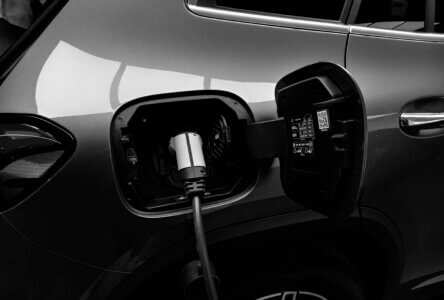
Keeping your EV connected helps maintain battery temperature and allows scheduled preconditioning.
Avoid letting the battery drop below 20 per cent
Cold batteries charge more slowly at low states of charge. Staying above 20 per cent gives you more flexibility.
Plan your charging stops carefully
Winter driving increases energy use. Build extra buffer into trip planning, especially in rural areas.
Expect slower DC fast charging in extreme cold
Even high-power chargers slow down when the battery is cold. This is normal and protects the battery.
Use onboard navigation for charging
Many EVs automatically preheat the battery when navigating to a fast charger. This improves charging speed on arrival.
At Craftsman Collision, we follow strict high-voltage safety protocols when inspecting or repairing EV charging systems and battery components. Winter conditions increase exposure to moisture, salt, and debris, which makes proper inspection critical.
Safety on snowy and icy roads
EVs handle winter roads well, but the same winter driving rules apply.
Check visibility before every drive
Clear visibility supports safe winter driving and keeps your safety systems working as designed. Snow and ice block headlights, taillights, mirrors, and windows fast in winter conditions, and built-up snow interferes with cameras and sensors, which limits driver assist features when you need them most.
Keep your sensors and cameras clear
EV safety systems rely on clear sensor input to respond correctly. Front cameras, radar sensors, and ultrasonic sensors need an unobstructed view to detect traffic, lane markings, and obstacles, and snow or ice around these areas leads to warning lights or reduced system performance.
Watch for glare ice and slush ruts
Glare ice forms when temperatures hover near freezing and moisture refreezes on the road surface. Slush ruts develop when snow melts and refreezes into uneven tracks that pull at your tires. Reduce speed, avoid sudden steering changes, and hold a steady line to stay in control.
Brake smoothly and early
EVs deliver instant torque and strong braking response, which requires a lighter touch on winter roads. Smooth, early braking helps maintain traction and reduces reliance on ABS. Leaving extra following distance gives you time to react without sharp inputs.
Know when not to drive
Some winter conditions push beyond safe limits for any vehicle. Freezing rain, whiteout snow, and severe storm warnings raise the risk of loss of control and poor visibility. Choosing to delay a trip often prevents collisions and roadside emergencies.
Understand traction control behaviour
EV traction and stability systems react quickly when wheels lose grip. These systems support control, but they depend on proper winter tires and reasonable speeds to work well. Smooth driving habits allow the technology to support you instead of fighting against sudden inputs.
What to keep in your winter kit
A winter kit supports safety during breakdowns, charging delays, or weather changes.
- Level 1 charging cable. A standard household outlet cable gives you emergency charging options.
- Warm layers and gloves. Cold exposure increases risk during roadside stops.
- Ice scraper and snow brush. Clear windows and lights quickly and safely.
- Winter windshield washer fluid. Use fluid rated for low temperatures to prevent freezing.
- Portable shovel. Snow buildup around tires or underbody panels causes issues.
- Phone battery pack or printed map. Cold drains phone batteries fast, so backup navigation matters in remote areas.
When to visit Craftsman Collision
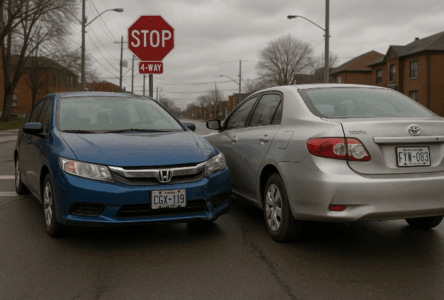
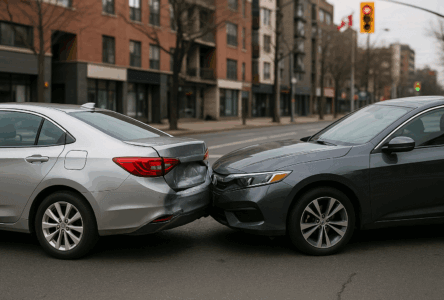
When winter driving conditions set in, the risk of small impacts and hidden damage goes up. EVs also need more careful inspection after winter incidents. Visit us after any winter fender bender. Even low-speed contact can affect sensors, battery shielding, or aluminum panels in ways you might not see right away.
Book an inspection if your sensors stop working or warning lights appear after driving through deep snow or slush. Snow, ice, and road salt often knock sensors out of alignment or interfere with traction, braking, and driver assist systems. New noises also matter. Scraping or rattling sounds often point to ice buildup or underbody damage that should not be ignored.
It is also smart to check aluminum panels and battery shielding after winter driving. EVs rely on strong underbody protection to keep the battery pack safe, and winter debris increases the risk in these areas.
Craftsman Collision uses certified equipment and high voltage safe processes for EV repairs, and our technicians train specifically on EV structures, battery systems, and advanced safety technology.
With locations across Western Canada, support stays close when winter issues show up.
Final Thoughts
Winter weather doesn’t stop EV driving in Canada, it just changes how you prepare, drive, and maintain your vehicle.
Precondition your EV, use winter tires, drive smoothly, plan charging with extra buffer, clear snow from sensors and lights, and watch for warning signs after winter driving.
And if you notice new noises, warning lights, or winter-related damage, book an EV repair at your nearest Craftsman Collision.