More Canadians are choosing electric vehicles, and EV ownership changes how maintenance and repairs work.
Day-to-day service usually costs less than with a gas vehicle, but when repairs are needed, they often require specialized training, tools, and certified shops.
At Craftsman Collision, we repair EVs every day across Western Canada. We work on aluminum body panels, high voltage systems, sensors, and electronics.
This guide explains what ev maintenance costs look like in Canada, where owners save money, and where costs can rise after damage.
Why EVs cost less to maintain
Electric vehicles skip many of the services gas cars need.
- You do not need oil changes.
- There are no spark plugs, fuel filters, or timing belts to replace.
- EV motors have fewer moving parts, which lowers wear over time.
- Regenerative braking slows the car while recharging the battery, which reduces brake wear.
Over time, these differences add up, and many studies show EV owners spend about 40 to 50 per cent less on routine electric vehicle maintenance compared to gas vehicles. That difference matters most during the first several years of ownership.
Common EV maintenance tasks
Even with fewer service needs, EVs still require regular care. Following the EV service schedule helps protect performance and avoid larger repair bills later.
Tire rotation and replacement
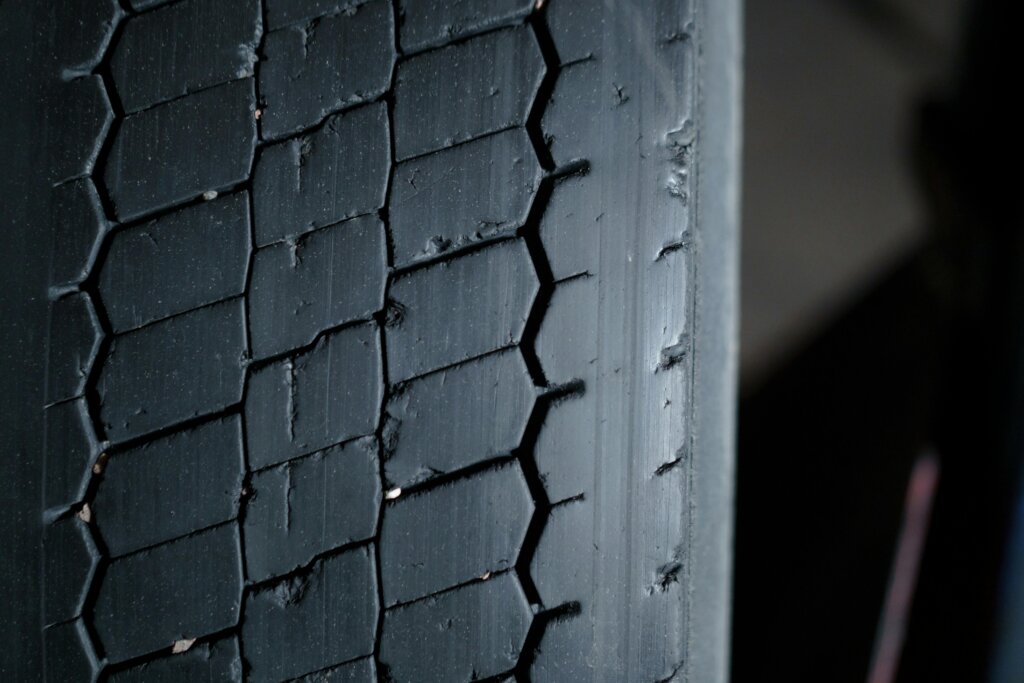
EVs weigh more than gas vehicles and deliver instant torque, which puts extra stress on tires. This leads to faster and less even wear, especially on the front tires. Regular tire rotation helps extend tire life, improve handling, and maintain safe braking in all seasons.
Coolant system checks
EVs still rely on coolant to manage battery temperature, power electronics, and cabin heating. These systems work year-round and work harder in cold Canadian weather. Routine inspections help catch leaks, low fluid levels, or cooling issues before they affect performance or battery health.
Cabin air filter replacement
EVs depend heavily on climate control, particularly in winter when heat and defrost run often. This increases wear on cabin air filters, which trap dust, road debris, and pollutants. Replacing filters on schedule keeps air quality high and helps heating systems work efficiently.
Software updates and system checks
Software controls battery management, charging behaviour, and many driver assistance features. While some updates install automatically, others require confirmation or inspection during service visits. Regular checks ensure systems communicate properly and safety features respond as expected.
General vehicle inspections
EVs still experience wear from rough roads, temperature swings, and road debris. Suspension components, seals, wiring, and underbody protection need routine inspection, especially after winter driving. Catching small issues early helps prevent larger repair costs later.
Where EVs can cost more
Electric car upkeep often costs less from day to day, but certain repairs can be more expensive when they do occur.
The biggest concern for many owners is battery replacement. EV batteries are built to last and usually come with warranties of eight years or more, but replacing a battery outside of warranty is costly. Battery damage after a collision also requires trained technicians who know how to work safely with high-voltage systems.
Body repairs can also drive up costs. Many EVs use aluminum panels to reduce weight and improve efficiency. Aluminum repairs require separate tools, dedicated work areas, and certified technicians. Without the right process, repairs risk weakening the structure or causing long-term corrosion issues.
Electronics and safety systems add another layer. Cameras, radar, and sensors are often mounted behind bumpers, windshields, and body panels. Even a minor impact can knock these systems out of alignment. Proper scanning and calibration are essential to ensure driver assistance and safety features work as designed.
Insurance pricing often reflects these realities. EV insurance costs can be higher because repairs involve specialized labour, limited parts availability, and longer repair times.
Choosing a qualified repair shop helps make sure the work is done correctly and can prevent repeat repairs or safety issues later. At Craftsman Collision, our teams train specifically on EV repair, aluminum body repair, and high voltage safety.
Learn more about our certifications.
EV maintenance costs over time
EV lifetime cost shifts compared to gas vehicles.
Owners usually see low routine service expenses, fewer small repairs, and steady operating costs, and higher expenses tend to come from rare but complex repairs rather than frequent maintenance visits.
Regular inspections help keep costs predictable, as small issues with underbody shielding, seals, or sensors can turn into expensive problems if ignored.
Canadian conditions also add some pressure—winter affects range, suspension wear, seals, and electronics, and ice, slush, and road debris increase the risk of sensor damage and underbody strikes.
Read more about how cold weather affects EV systems.
When to visit Craftsman Collision
Some EV issues need professional inspection even when the damage looks minor.
- Visit us after a fender bender, parking lot scrape, or curb strike.
- Come in after hitting ice chunks, slush ruts, or road debris.
- Book an inspection if warning lights appear after winter driving.
- Visit early if you see damage to aluminum panels or battery shielding.
Our technicians follow strict high voltage safety rules before working on any EV, and we isolate power systems, inspect battery protection, and confirm sensors function correctly before repairs begin.
You can read more about our services and learn about the Craftsman approach.
FAQs about EV maintenance costs
How much does it cost to maintain an EV?
Most EV owners spend less on routine maintenance than gas vehicles, often saving 40 to 50 per cent over time. Costs stay lower because EVs skip oil changes and engine-related service.
What happens to an EV after 5 years?
After five years, most EVs continue to perform well with routine inspections, tire replacements, and brake service. Batteries usually retain strong capacity and remain under warranty during this period.
Are electric cars costly to maintain?
Electric cars are not costly to maintain day to day. Higher costs usually relate to collision repairs, aluminum bodywork, or battery damage rather than regular service.
Are EV cars high maintenance?
EVs are not high maintenance, and in fact, they require fewer scheduled services than gas vehicles. They still do benefit from regular inspections to catch damage early.
Choosing the right EV repair partner
EV ownership rewards drivers who understand where costs stay low and where expertise matters. When repairs involve aluminum panels, electronics, or battery protection, the shop you choose makes a difference.
Book an EV repair at your nearest Craftsman Collision location or talk with our technicians if your EV sensors or warning lights appear after a minor impact.