Cold weather challenges every driver in Canada, but especially those behind the wheel of an electric vehicle.
Lithium-ion batteries don’t like freezing temperatures, and when it gets cold, chemical reactions inside the battery slow down, reducing energy output. That means less driving range, slower charging, and sometimes unresponsive systems until the battery warms up.
Some of this is normal in winter. But if your EV loses charge unusually fast, struggles to charge, or shows error messages, it could signal a deeper issue. Understanding how to protect your battery helps you avoid winter range loss and extend battery life.
At Craftsman Collision, we repair and inspect electric vehicles across Western Canada.
Here’s what we recommend to keep your EV battery warm, healthy, and efficient through the coldest months.
Precondition your EV battery before driving
Preconditioning warms your battery before you drive or charge. Most modern EVs let you schedule this through their onboard system or smartphone app.
When you precondition while the vehicle is plugged in, the energy for heating comes from the grid, not the battery, so you keep your range.
Tips for better preconditioning:
- Set a departure time. Schedule charging to finish right before you leave. A freshly charged battery starts warmer and stays efficient longer.
- Use your app. Remote preheating helps you warm the cabin and battery before stepping outside.
- Avoid idling unplugged. Running the heat without charging drains the battery fast. This one step alone can prevent most winter performance complaints.
Smart charging habits that keep batteries warmer
Charging habits make a big difference in cold weather. The slower chemical reactions inside lithium-ion batteries mean charging takes longer when it’s cold, but staying plugged in helps maintain temperature.
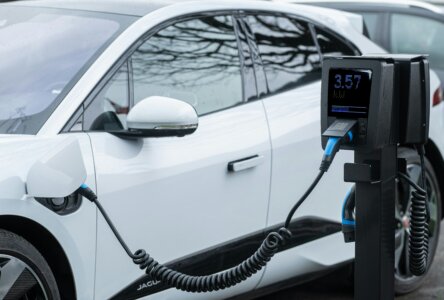
- Leave your EV plugged in overnight. Even if it’s fully charged, most systems use small amounts of power to keep the battery within its ideal temperature range.
- Choose Level 2 over Level 1. A 240V charger provides enough current to warm the battery during charging, while Level 1 (120V) might not in a deep cold.
- Expect slower DC fast charging. When a battery is cold-soaked (below freezing), it limits charging speed to protect itself. Many EVs must warm the battery first before fast charging begins.
- Don’t panic if winter charging seems slower. Gradual charging is normal in subzero temperatures and not a sign of battery damage.
If charging stalls completely or the vehicle won’t accept a charge, that’s when it’s time for a diagnostic check.
Parking choices that protect your battery
Where you park affects how much your battery cools overnight, and even small differences in shelter can make a big impact on range the next morning.
- Use a garage whenever possible. Even an unheated garage blocks wind and keeps temperatures several degrees warmer than outside.
- If parking outdoors, pick sheltered spots. Park near buildings or hedges that reduce exposure to wind and drifting snow.
- Avoid leaving your car in direct wind. Wind chill doesn’t change the actual battery temperature, but it accelerates cooling of exterior components.
- Carports help. They don’t trap heat, but they protect your EV from snow and ice buildup that can stress seals and sensors.
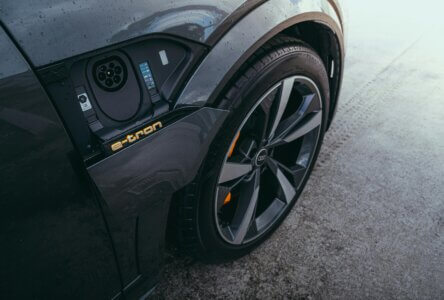
Keeping snow off your charging port also prevents frozen connections and moisture damage.
Learn how Craftsman Collision repairs EVs to manufacturer standards.
Heating and driving habits that reduce winter strain
How you drive and heat your EV affects both comfort and efficiency, and a gentle warm-up period at the start of your drive helps distribute heat evenly across the battery pack.
- Use heated seats and steering wheels first. They use far less energy than full-cabin heat.
- Keep the cabin temperature moderate. Setting your heat a few degrees lower helps preserve range.
- Drive smoothly. Rapid acceleration and high speeds burn through energy faster and prevent the battery from stabilizing its temperature.
- Combine short trips. Multiple cold starts cool the battery each time, while one longer trip keeps it warm and efficient.
Battery tech features that help in winter
Modern EVs include advanced systems to manage cold weather, but if you drive an older EV without built-in heating, avoid DIY solutions like electric blankets or heaters under the vehicle as these pose fire risks and can void warranties.
Instead, use manufacturer-approved battery warmers or aftermarket systems designed specifically for your model.
- Heat pumps: These provide efficient cabin heating using less electricity than resistive heaters, preserving range in winter.
- Active thermal management systems: These circulate coolant to maintain battery temperature during both driving and charging.
- Battery heaters: Some vehicles use electric heaters built into the battery to prevent deep cold soak.
When cold weather becomes a repair issue
A drop in range or slower charging during winter is expected, but some signs can suggest a deeper problem that needs inspection:
- Battery warning lights or thermal fault messages
- Persistent charging failures even after preconditioning
- Unusual noises, electrical smells, or fluid leaks after cold exposure
- Range that doesn’t recover once temperatures rise
Winter collisions can also affect your EV’s thermal and electrical systems, and even minor impacts may damage underbody battery shields, cooling lines, or sensor wiring that supports ADAS features.
At Craftsman Collision, our certified EV technicians follow manufacturer repair procedures for every make and model. We inspect the full high-voltage system, sensors, and battery enclosure after winter accidents to make sure of safe operation and long-term performance.
Book an EV winter inspection after a collision to confirm your battery and calibration systems are still in proper working order.
FAQs about EV Batteries in Winter
How cold is too cold for an EV battery?
Lithium-ion batteries start losing efficiency around -10°C, with significant performance drops below -20°C. In extreme cold, your EV might limit power or charging until the battery warms up.
Does plugging in an EV keep the battery warm?
Yes, keeping your EV plugged in allows your vehicle’s thermal management system to draw small amounts of power from the grid, preventing the battery from freezing. It also helps make sure you start each day with a warmer, fully charged pack.
Can I cover my car battery with a blanket?
No, covering or insulating your EV battery externally is unsafe. EV batteries are sealed units with their own heating systems, so using external covers, blankets, or heaters risks overheating, short circuits, and warranty issues.
Can I warm up my EV in the garage?
Yes, you can warm up your EV in the garage, but make sure your garage is well-ventilated and never sealed completely during charging or preheating. Since EVs don’t produce tailpipe emissions, it’s safe to run preconditioning indoors, but you should still follow all manufacturer ventilation guidelines.
Protect your EV all winter long
Cold weather is tough on electric vehicles, but the right habits can make a big difference.
Precondition your EV before driving, keep it plugged in overnight, park smartly, and drive it smoothly. These simple steps help keep your EV battery warm, protect your range, and extend its life.
When winter damage or collision repairs are needed, Craftsman Collision has the training and certification to restore your EV to manufacturer standards.
Find your nearest Craftsman Collision location for EV-certified repairs.