Electric vehicles are changing how Canadians drive. They have quiet motors, strong acceleration, and lower operating costs.
But many drivers still ask the same question: are electric vehicles as safe as traditional cars?
We hear these concerns often. Many of our customers worry about battery fires, high-voltage systems, and what happens in a crash. These questions are normal, and they deserve clear answers.
At Craftsman Collision, we repair EVs and gas vehicles across Western Canada every day.
Our technicians follow strict safety steps and repair EVs to manufacturer standards, we work with high-voltage systems, advanced sensors, and reinforced battery structures, and we understand how EVs work and what keeps them safe on the road.
Here’s what every Canadian driver should know about the safety of electric vehicles.
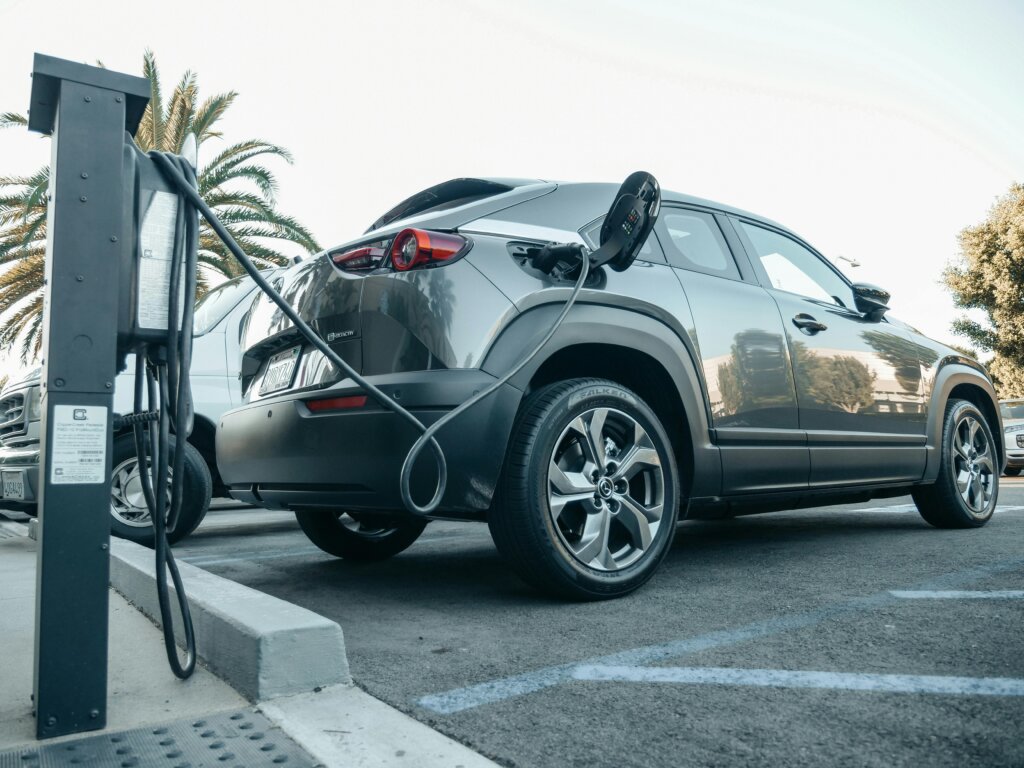
What Makes Electric Vehicles Safe
All EVs sold in Canada must meet the same Transport Canada safety standards as gas vehicles. They go through structural testing, crash testing, electrical safety checks, and battery safety checks before they ever reach the road.
EVs also have several built-in safety advantages.
Low centre of gravity
EVs place the battery pack along the floor, which keeps most of the vehicle’s weight low and balanced. This design reduces the chance of a rollover and improves handling during sharp turns or sudden lane changes. The lower stance also makes the vehicle feel more stable on icy or uneven roads.
Improved traction and control
Electric motors deliver torque instantly, which helps the vehicle maintain steady traction at low speeds. This quick power delivery works with traction control systems to keep the wheels planted during winter starts or wet-weather driving. Regenerative braking adds extra stability by helping the vehicle slow down smoothly and evenly.
Reinforced battery protection
The battery sits inside a rigid protective frame built to absorb and redirect impact forces. Engineers design this enclosure to stay secure even during severe collisions, reducing the chance of internal damage. This structure also shields the high-voltage system from debris, road hazards, and undercarriage impacts.
How EVs Perform in a Collision
Most modern EVs score high in crash testing. Examples from trusted agencies include:
- Tesla Model 3 (IIHS Top Safety Pick+)
- Hyundai Ioniq 5 (IIHS Top Safety Pick+)
- Volvo EX30 (high marks in global safety tests)
Crash tests show how well EV frames handle impact and how well battery protection holds up.
- Reinforced frames. EVs use high-strength steel and aluminum to keep the passenger cabin stable. These materials absorb force and protect occupants.
- Battery shields. The battery sits inside a strong case that guards it from punctures.
- Automatic shut-off systems. If the vehicle senses a collision, it shuts down the high-voltage system in seconds. This step protects occupants, first responders, and repair teams.
Because of these design choices, EVs often perform better than gas cars in several crash categories, but EV collision repairs require certified technicians. These repairs must follow strict steps to keep the battery stable and restore the vehicle to OEM standards.
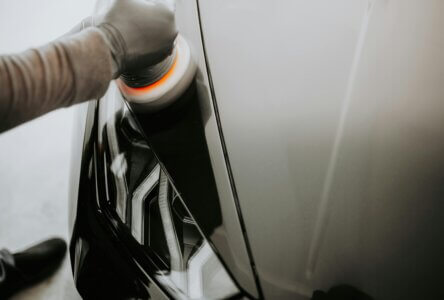
Our teams use insulated tools, protective equipment, and high-voltage isolation procedures to complete these repairs safely.
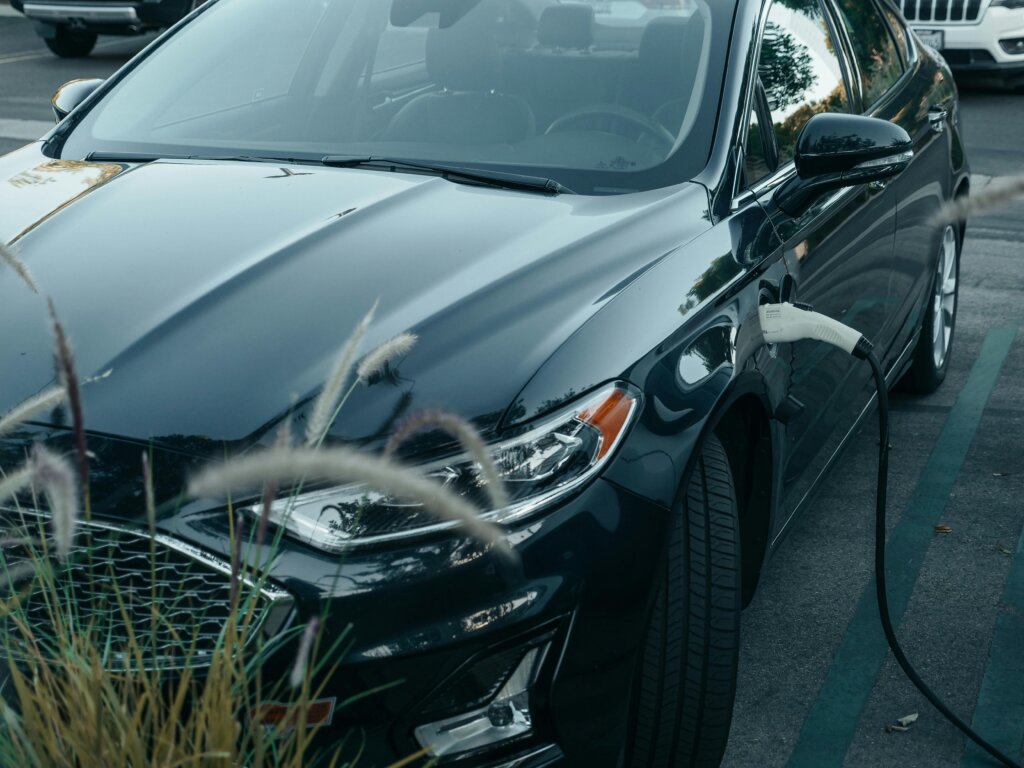
EV Battery Safety and Fire Risks
Many drivers worry about battery fires. The idea gets a lot of attention, but the data adds important context. EV fires are less common than fires in gas vehicles. Gas engines carry flammable liquid and hot components that raise fire risk. EV batteries behave differently.
Battery chemistry and cooling
EV batteries use lithium-ion cells arranged in modules that are designed to stay stable under heavy use. Built-in cooling channels move heat away from the pack during driving and charging, which helps prevent overheating. This temperature control system is always active, even in extreme weather, to keep the battery within a safe operating range.
Thermal protection
EVs constantly watch their own battery health through onboard software. The system tracks temperature, voltage, charging speed, and internal resistance, and steps in if anything looks abnormal. When a risk is detected, the vehicle lowers power, limits charging, or shuts down high-voltage components to protect both the battery and the occupants.
Impact testing
Before an EV reaches the road, the battery pack goes through strict safety tests. These include puncture tests, crush-force tests, vibration testing, and protection against water intrusion. The goal is to make sure the pack stays intact and stable during collisions, rough roads, or flooding.
Thermal runaway barriers
EV batteries include internal layers designed to slow or stop heat from spreading between cells. These barriers help isolate a damaged cell so it cannot ignite neighbouring cells, which reduces the chance of a larger fire. This is one of the most important safeguards built into modern EV battery packs.
When EV fires do happen, they are harder to extinguish because of the chemical reaction inside the battery, and this is why certified shops follow strict safety steps.
At Craftsman Collision, we isolate the high-voltage system before touching the vehicle. We inspect the battery case for cracks, swelling, or leaks. If we see signs of damage, we follow manufacturer instructions to secure and test the battery before repairs begin.
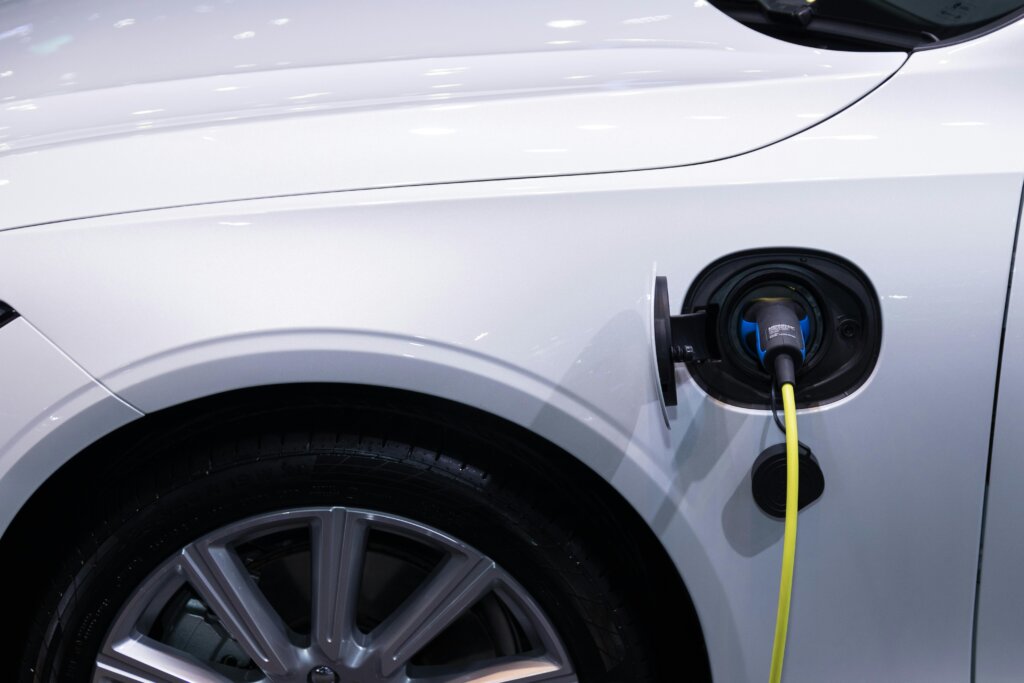
Advanced Safety Technology in Electric Cars
EVs don’t rely only on strong frames and battery protection. They also come with advanced safety technology built in.
Most EVs include:
- Automatic emergency braking
- Collision avoidance
- Lane keeping assistance
- Adaptive cruise control
- Blind-spot monitoring
- Parking sensors
- 360-degree cameras
These systems help drivers avoid crashes because they react faster than a human in many situations, especially at low speeds.
After a collision, these systems need calibration to work properly again. Craftsman Collision uses specialized tools to test and calibrate sensors, cameras, and radar units to protect your safety and restore the vehicle’s full capabilities.
Common Safety Concerns
Drivers often share similar worries about driving electric vehicles. Here’s what the data shows.
“EVs catch fire more easily.”
This is false. Gas vehicles experience far more fires each year, but EV incidents attract more media attention, which makes them seem more common. Most EV fires happen after severe crashes or improper repairs, not during everyday driving.
“You can get electrocuted in a crash.”
This is also false. EVs shut down high-voltage systems the moment a collision is detected, cutting power to the battery and wiring. This protects both occupants and first responders, and it’s one of the earliest safety features built into modern EV platforms.
“EVs are unsafe in cold weather.”
This is incorrect. Cold weather affects range and charging speed, not crash protection. Stability control, traction systems, and structural safety features work the same way they do in warm conditions.
“EVs are harder to repair safely.”
This one is partly true. EV repairs require specific training, insulated tools, and strict OEM repair steps. When a vehicle goes to a certified shop, these repairs are completed safely and to factory standards.
A note on proper care
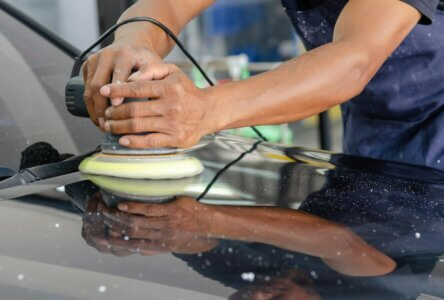
EV safety improves when the right people complete the work. Certified technicians, proper tools, and accurate diagnostics prevent most issues linked to repairs. Choosing a qualified EV repair shop protects both your vehicle and your long-term investment.
How to Keep Your EV Safe on Canadian Roads
Simple habits and regular checks can help protect your vehicle and extend its life.
- Schedule routine inspections. Check the battery cooling system, brakes, suspension, and cabin filters each year.
- Update your software. Software updates improve performance and add new safety features.
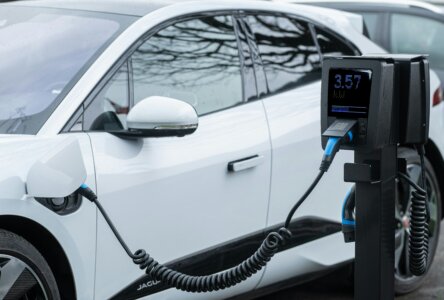
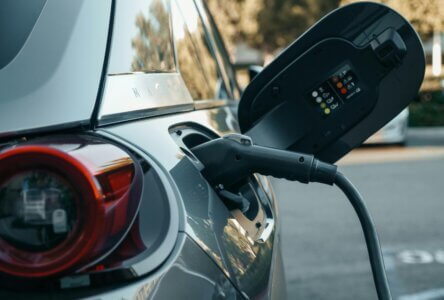
- Charge safely. Use certified chargers and avoid repeated overcharging.
- Protect the battery in winter. Precondition your battery when temperatures drop.
- Choose certified shops after a collision. EV repairs must follow the manufacturer’s instructions. Certified shops have the right tools and training.
- Avoid deep water. Flooded roads can damage high-voltage components in any vehicle.
The Future of EV Safety
EV safety improves every year as automakers refine battery design, structural engineering, and software systems.
New materials, smarter sensors, and stronger protections are moving from concept to production at a steady pace. As these upgrades roll out, EVs will become even safer for drivers, passengers, and first responders.
Solid-state batteries
Solid-state batteries aim to replace the flammable liquid electrolyte used in today’s lithium-ion packs. This shift lowers fire risk and keeps temperatures more stable during charging and hard use. These batteries also promise longer lifespan, faster charging, and better performance in cold weather.
Improved crash sensors
Next-generation crash sensors use faster processors and predictive software to read impact forces in real time. Some systems can map the likely crash direction and prepare the vehicle before the collision happens. This allows restraint systems, battery isolation, and high-voltage shutdown to activate earlier and more accurately.
Stronger safety standards
Canada continues to expand its requirements for EV repair, high-voltage handling, and emergency response. New certifications ensure technicians understand battery structures, thermal runaway risks, and safe isolation practices. As more EVs reach the road and repair shops, training programs keep growing to meet that demand.
A safer future ahead
As adoption increases, the technology behind EV safety will keep advancing. Automakers are investing in stronger materials, better fire control, and smarter software that learns from real-world data. The result will be safer, more predictable EVs built to handle Canadian driving conditions.
FAQs about EV Safety
What are the risks of electric cars?
EVs face the same everyday risks as gas vehicles, including collisions, icy roads, and debris. Battery damage is rare, but if it happens, the pack must be checked by a certified high-voltage technician. Most issues come from improper repairs or poor winter maintenance, not from the battery itself.
Are electric cars 100% safe?
No vehicle is completely risk-free, but EVs meet strict safety rules and regularly earn strong crash test ratings. Their built-in safety systems help reduce impact forces and protect the battery during a collision. Many models also include advanced driver assistance features that help avoid crashes in the first place.
How safe are electric cars in a crash?
EVs perform well in crash testing thanks to reinforced structures and carefully engineered crumple zones. The battery pack sits low, which lowers the centre of gravity and improves stability during sudden manoeuvres. High-voltage components also shut down automatically after an impact to protect occupants and first responders.
What is the biggest problem with electric cars?
Cold-weather range loss is the most common concern for Canadian drivers, since batteries work harder in low temperatures. Some people also worry about fire risk, but data shows these incidents are rare and usually tied to severe crashes. Most EV challenges improve each year as battery design and software keep advancing.
Electric vehicles bring strong safety performance, advanced technology, and reliable protection in collisions. They face the same rules and tests as gas vehicles and often exceed them.
But after any collision, the repair process matters.
High-voltage systems need careful handling, and only trained technicians should restore an EV to manufacturer standards.
Craftsman Collision repairs EVs across Western Canada with certified training, advanced tools, and strict safety steps. If your EV needs collision repair or inspection, we’re here to help.