Many drivers think electric vehicles need little or no upkeep.
It’s a common idea we hear often in our shops: EVs skip oil changes, spark plugs, and exhaust work, so it’s easy to assume they run themselves.
But, they don’t.
It’s true that EVs need less service than gas cars, but they still need routine checks to stay safe and perform well. They also need the right kind of care, especially in a Canadian climate where cold days, rough roads, and road salt put extra pressure on every vehicle.
At Craftsman Collision, we’ve repaired and serviced vehicles across Western Canada for more than 40 years. Our technicians work with gas, hybrid, and electric vehicles every day.
We understand how EV systems operate, the safety steps required, and the maintenance patterns we see most often.
Here’s what you need to know.
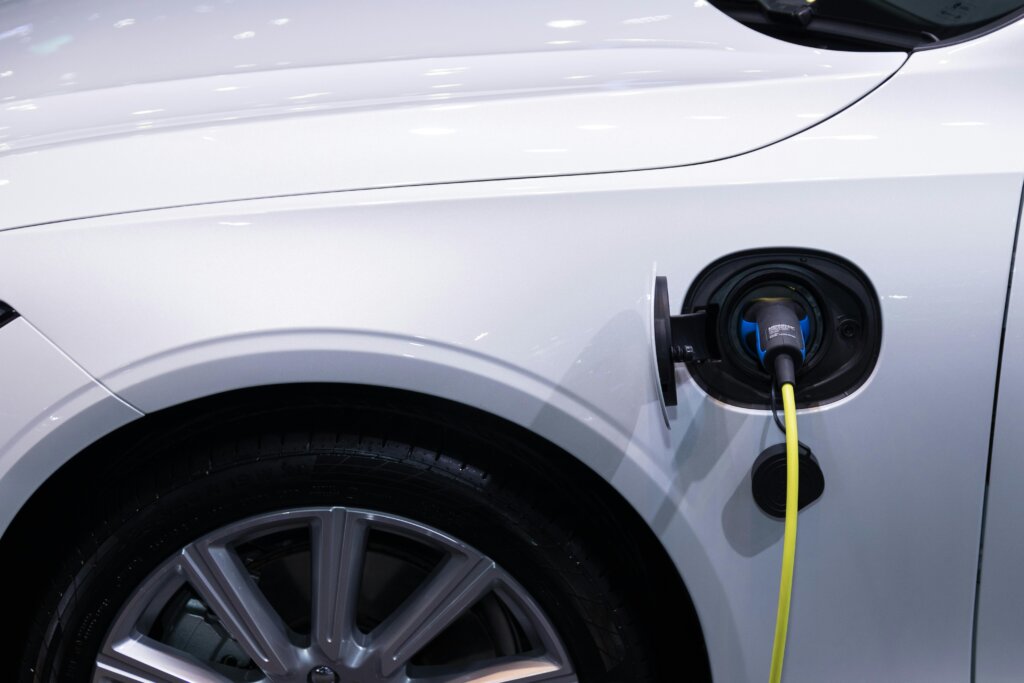
Why EVs Still Need Maintenance
EVs have fewer moving parts than gas cars. There’s no oil to change, no transmission fluid to swap, and no exhaust system to check. That alone cuts a big portion of traditional upkeep.
But “fewer parts” doesn’t mean “no maintenance.”
Your EV still relies on tires, brakes, suspension, steering, and electronic systems. And if these parts wear down, your safety sits at risk. Regular service keeps traction strong, braking sharp, and high-voltage components protected.
Canada’s climate also plays a role. Cold weather slows battery performance and increases power use. Road salt builds up around charging ports and undercarriages. Potholes put extra strain on suspension parts. These conditions make routine checks even more important for EV owners here.
EVs need:
- Tire service
- Brake inspections
- Battery and coolant checks
- Cabin filter replacements
- Wiper and fluid upkeep
These steps keep your EV running smoothly and help prevent bigger repair needs later.
What Kind of Maintenance Does an EV Need?
Below is a simple guide to the most common EV maintenance tasks and how often to schedule them.
Tires
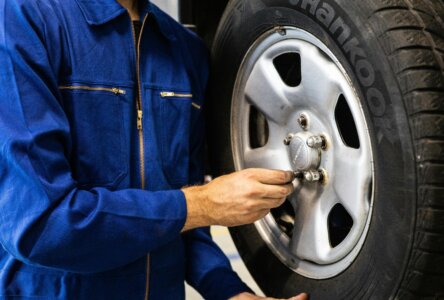
EVs weigh more than gas cars, which leads to faster tire wear. Strong traction protects range and handling, so you should rotate your tires every 10,000–12,000 km and replace them when the tread drops.
Brakes
Regenerative braking lowers brake wear, but it doesn’t replace brake inspections. We still recommend checking pads, rotors, and brake fluid yearly to catch early issues.
Coolant
Your EV uses coolant to regulate the temperature of the battery and electronics. Follow your manufacturer’s schedule on checking this, usually every five years.
Cabin Air Filter
This filter keeps dust, pollen, and debris out of your vents. You should swap it every 20,000–25,000 km.
Windshield Wipers and Fluid
Canadian winters make this step really important. Replace your wipers twice a year and top up your washer fluid often.
12-Volt Battery
Even EVs rely on a small 12-volt battery, and if it weakens, you’ll notice slow starts and error messages. You should test it every few years and replace it when needed.
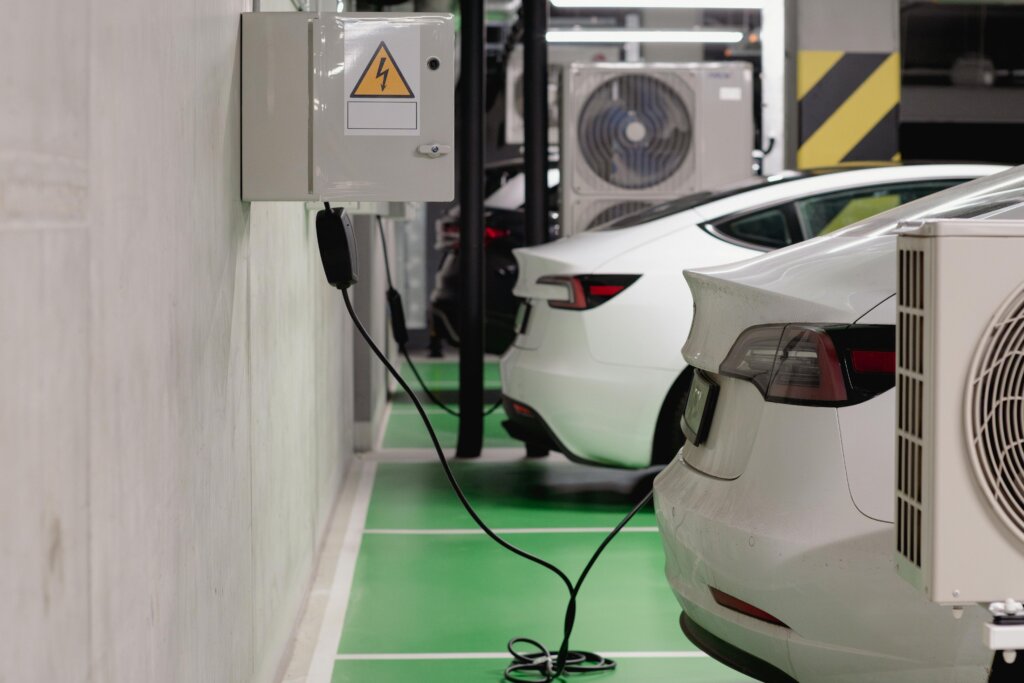
What EVs Don’t Need
Here’s where EV owners save time and money. Electric vehicles skip several common service items:
- No oil changes
- No spark plugs
- No timing belts
- No exhaust or catalytic converter repairs
- No engine air filters
According to Car and Driver and Recurrent Auto, EV owners spend roughly 30–40 per cent less on lifetime maintenance. That lower cost is one of the strongest benefits of electric driving.
If you want to keep your electric vehicle in top shape, visit your nearest Craftsman Collision location or book online today.
How Often Do EVs Need Servicing?
Most EVs need a full inspection once a year or every 15,000–20,000 km. Each automaker sets its own schedule. For example:
- Tesla recommends annual checks for brakes, tires, and high-voltage components
- Nissan Leaf and Hyundai Ioniq follow similar timing with added coolant checks
If you drive in Canadian winters, add two important steps:
- Switch to winter tires
- Protect high-voltage and charging areas from salt buildup
A yearly inspection keeps your EV healthy and prevents small issues from becoming larger repairs.
Common Maintenance Issues EV Owners Face
We see clear trends in our shops from EV drivers across Western Canada.
Tire wear
EVs are heavier than gas vehicles and deliver strong torque from a standstill, which puts extra stress on tires. This often leads to faster or uneven wear, especially on the front wheels. Regular rotations and proper tire selection help extend lifespan and improve handling.
Suspension strain
Canadian roads create challenges for every vehicle, but the added weight of an EV can make suspension wear show up sooner. Components like bushings and control arms take on more load during potholes or rough surfaces. Early attention to these parts keeps the ride smooth and prevents bigger repairs.
Brake fluid or coolant needs
Many drivers assume EVs don’t need these checks because they use regenerative braking and have fewer mechanical parts. But brake fluid absorbs moisture over time, and coolant protects the battery and electronics. Skipping these services can lead to overheating issues or costly repairs.
Cabin filter neglect
Cabin filters clog faster than most people expect, especially in cities or dusty regions. A dirty filter restricts airflow and strains the heating and cooling systems during extreme weather. Replacing it keeps the cabin comfortable and reduces the load on the HVAC system.
Charging port corrosion
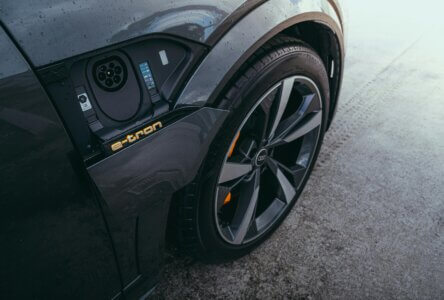
Winter road salt builds up around charging ports and causes corrosion on exposed metal surfaces. If left unchecked, this can lead to poor charging connections or intermittent charging errors. A quick cleaning during routine maintenance helps prevent these issues and keeps charging reliable.
If you notice new vibrations, grinding, or fast tire wear, visit one of our certified collision centres. We inspect EV systems with the right tools and safety steps in place.
How EV Maintenance Differs from Gas Cars
EVs are simpler to maintain as they have fewer parts, fewer fluids, and fewer systems to fail. But they also need specialized care as their high-voltage components require trained technicians, insulated tools, and strict safety steps.
Here’s a simple cost comparison over five years:
EV Maintenance (5 Years)
- Tire service
- Brake inspections
- Cabin filters
- Coolant service
- 12-volt battery
Approximate cost: Lower than gas cars by 30–40 per cent
Gas Car Maintenance (5 Years)
- Oil changes
- Transmission service
- Spark plugs
- Engine air filters
- Belts
- Exhaust repairs
Approximate cost: Higher due to more parts and more frequent service
EVs stay out of the shop longer, but when they do need work, it needs to be done by experts trained in electric systems. Our technicians hold the right certifications for EV and hybrid repair across many makes and models.
Keep Your EV in Peak Condition
Electric vehicles deliver strong performance, fast acceleration, and smooth driving. They also reduce routine service needs. But every EV still needs regular checks to stay safe and reliable.
We service EVs every day across Western Canada, and we know what to look for. Our trained technicians handle high-voltage systems, advanced electronics, and structural repairs with precision.
When you trust your EV to us, you protect your investment and keep your vehicle running the way it should.
Need EV collision or repair work? Book your appointment today.
EV Maintenance FAQs
What kind of maintenance does an EV need?
EVs still need routine service even though they have fewer moving parts than gas vehicles. Tire rotations, brake inspections, coolant checks, cabin filter replacements, wiper changes, and 12-volt battery tests help keep everything running smoothly. These steps protect major systems, prevent wear, and keep performance steady through the seasons.
What is the biggest problem with electric cars?
In Canada, the most common issues with electric cars involve faster tire wear and reduced range in cold weather. Winter salt also affects suspension components and can cause corrosion around charging ports if not cleaned. These problems are manageable with regular inspections and seasonal maintenance.
Are EVs expensive to maintain?
No, EVs cost less to maintain than gas vehicles because they avoid oil changes, exhaust repairs, and many engine-related services. Over five years, total upkeep often drops by 30–40 percent. Most costs come from tires, filters, and fluids rather than major mechanical repairs.
Do EV cars require servicing?
Yes, every EV needs yearly inspections to stay safe, efficient, and reliable. These checks confirm that the brakes, tires, cooling systems, and high-voltage components are working as they should. Routine service also helps catch problems early before they affect performance.