When your car needs repairs after a collision, you want it restored to the same safety and performance standards it had before the accident. That’s why many drivers ask one question early in the claims process: Does insurance cover OEM parts?
The answer depends on your policy, your vehicle’s age, and the type of parts available. Not every policy guarantees original equipment manufacturer (OEM) parts, but knowing how coverage works helps you make informed choices.
At Craftsman Collision, we work with Canadian insurers every day to make sure repairs meet manufacturer standards. Here’s what you need to know before your next claim.
What are OEM parts?
OEM parts are made by your vehicle’s manufacturer or an approved supplier. They match your car’s exact specifications for fit, materials, and performance.
Other common options include:
- Aftermarket parts – made by third-party manufacturers to fit multiple models.
- Recycled or reconditioned parts – original parts taken from another vehicle and refurbished.
While aftermarket and recycled parts can lower costs, they don’t always fit or perform like OEM parts. Poor fit can affect body alignment, paint finish, sensor calibration, and even crash protection. For vehicles with advanced driver assistance systems (ADAS), precision matters.
Talk to a Craftsman Collision estimator about your repair options.
Does insurance cover OEM parts in Canada?
Most standard auto insurance policies in Canada do not automatically cover OEM parts. Insurers are required to restore your vehicle to its pre-accident condition, but not necessarily with brand-new or original parts.
That means your insurer might approve aftermarket or recycled parts if they’re deemed “like kind and quality.”
If you want guaranteed coverage for OEM parts, you usually need to add an OEM parts endorsement to your policy.
What an OEM parts endorsement is
An OEM parts endorsement is an optional add-on to your auto insurance. It means that if your vehicle is damaged, repairs will use genuine manufacturer parts instead of aftermarket alternatives.
Endorsements often apply to newer vehicles (typically up to four or five years old), because parts availability and value retention matter most early in a car’s life.
Without this endorsement, your insurer decides what parts to use during repairs. With it, you have written protection for OEM replacements, which can preserve warranty coverage and resale value.
When insurers approve OEM parts without an endorsement
Even without an endorsement, insurers sometimes approve OEM parts when safety, compatibility, or performance require it. Examples include:
- Safety-critical parts where no equivalent aftermarket version exists.
- Sensor-related components that affect ADAS calibration.
- New or luxury vehicles where aftermarket parts don’t yet exist or fail to fit properly.
- Structural parts that must meet manufacturer standards for crash performance.
Body shops like Craftsman Collision document these situations and work with insurers to justify OEM use when needed.
When insurers push aftermarket or recycled parts
Insurance companies aim to control repair costs, so they often suggest aftermarket or recycled parts when suitable. Common substitutions include:
- Bumpers
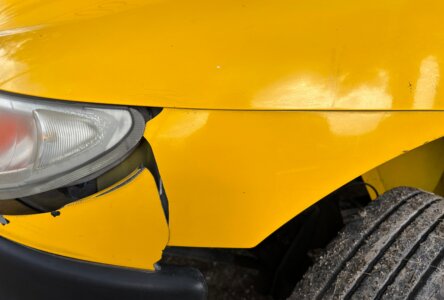
- Fenders
- Mirrors
- Headlights and taillights
These parts are typically described as “like kind and quality.” In practice, that means they should restore function but not necessarily match the exact look or fit of OEM components.
While recycled parts can be environmentally friendly, poor fit or inconsistent quality sometimes leads to extra labour, rework, or calibration issues.
Can you request OEM parts during a claim?
Yes, you have the right to ask for OEM parts during your repair process. Here’s how to approach it:
- Start with your repair shop. A trusted collision center can review your damage, identify where OEM parts are needed, and document why.
- Speak with your insurer. Ask whether your policy includes OEM coverage or if you can pay the difference for certain parts.
- Get it in writing. Any agreement on part type should appear on your repair estimate before work begins.
If your policy doesn’t include OEM parts coverage, you might still choose to pay the price difference yourself.
Learn how certified repairs protect your vehicle’s safety systems.
How OEM parts affect safety and repair quality
OEM parts are built to the same standards as the originals your vehicle was designed with. This matters for several reasons:
- ADAS calibration: Sensors behind bumpers or windshields require precise alignment to function correctly.
- Structural integrity: Even small differences in metal thickness or weld points can change how a vehicle performs in a crash.
- Corrosion resistance: OEM coatings match factory protection levels, reducing long-term rust risk.
- Warranty coverage: Some manufacturer warranties apply only if genuine parts are used.
- Resale value: Future buyers (and dealerships) often look for OEM repair documentation.
At Craftsman Collision, we follow manufacturer-approved repair procedures for every vehicle, making sure that all systems, sensors, and materials meet OEM standards.
How Craftsman Collision works with insurers on OEM parts
We believe safe, proper repairs come first, so our certified technicians follow strict OEM guidelines and document each step to help insurers understand why certain parts or methods are required.
We:
- Reference manufacturer repair procedures in every estimate.
- Provide photos and calibration data to justify OEM use.
- Communicate directly with insurance adjusters to align on safe, cost-effective solutions.
Our goal is not to replace parts unnecessarily, it’s to make sure your vehicle performs exactly as the manufacturer intended.
Talk to a Craftsman Collision estimator about your repair options. We’ll help you understand when OEM parts make a difference and how they fit within your insurance coverage.
FAQs about OEM parts and insurance
Which parts are not covered in car insurance?
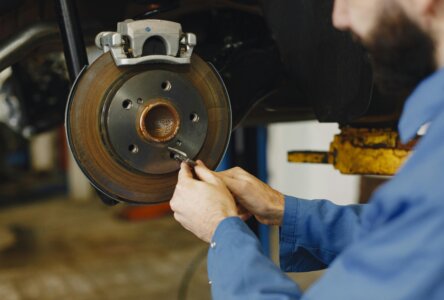
Insurance usually covers parts damaged in a covered incident, like a collision, but it doesn’t cover normal wear-and-tear items like tires, brakes, or wiper blades. Aftermarket accessories added later might also be excluded unless declared on your policy.
Do insurance companies have to use genuine parts?
No, insurers are only required to restore your vehicle to pre-accident condition, which doesn’t always mean OEM parts. They can use aftermarket or recycled parts if they meet quality and safety standards.
What is the disadvantage of OEM?
OEM parts tend to cost more and might take longer to source. Without an OEM endorsement, you might need to pay the difference out of pocket. Still, the benefits, like fit, safety, and warranty protection, often outweigh the extra cost.
Is there a warranty on OEM parts?
Yes, OEM parts usually carry the same warranty as new vehicle components from the manufacturer, often one year or longer. This adds peace of mind that replacement parts will perform as expected.
The bottom line
Insurance doesn’t always guarantee OEM parts, but you do have options. Adding an OEM endorsement to your policy or working with a certified repair shop helps protect your vehicle’s safety and long-term value.d
At Craftsman Collision, we handle repairs for all major insurers and know how to advocate for genuine parts when they matter most.