Many drivers assume that once a vehicle has been repaired after a collision, its value returns to normal. But unfortunately, that’s not always the case.
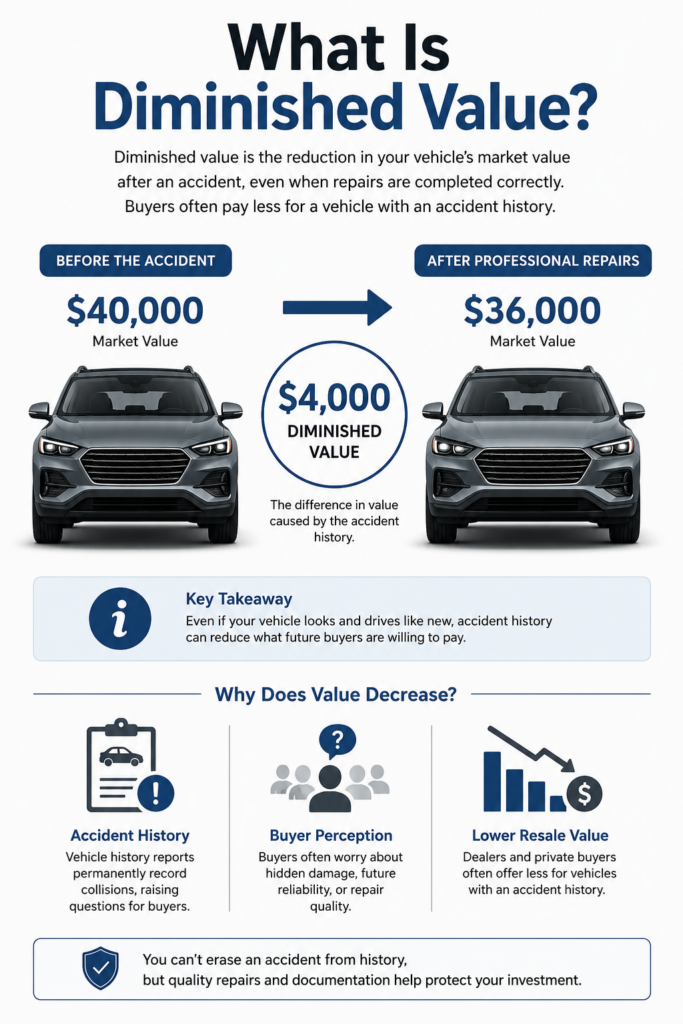
Diminished value is the reduction in a vehicle’s market value after an accident, even when the repairs are completed correctly. Buyers often pay less for a vehicle with an accident history, which means your resale or trade-in value could be lower than it was before the collision.
This is a common concern for Canadian drivers, especially those with newer vehicles, luxury vehicles, electric vehicles (EVs), or models with a high resale value. While you can’t erase an accident from a vehicle’s history, choosing high-quality repairs and keeping detailed records helps protect your investment.
What Does Diminished Value Mean?
Diminished value is the difference between what your vehicle was worth before the accident and what it is worth after the repairs have been completed.
Even if your vehicle looks and drives like new, future buyers often view an accident history as a risk, and as a result, they might offer less money than they would for a similar vehicle that has never been involved in a collision.
Here’s a simple example:
- Vehicle value before the accident: $40,000
- Vehicle is professionally repaired
- Vehicle resale value after repairs: $36,000
- Diminished value: $4,000
This difference exists because buyers often have concerns about hidden damage, future reliability, or the quality of previous repairs, and dealerships and private buyers frequently consider accident history when determining what they are willing to pay.
The 3 Types of Diminished Value
- Inherent Diminished Value
Inherent diminished value is the most common type.
It refers to the loss in value that remains even after proper, high-quality repairs. Once an accident is recorded on a vehicle history report, many buyers see the vehicle differently, regardless of how well it was repaired. This type of diminished value is largely based on buyer perception and market demand.
- Repair-Related Diminished Value
Repair-related diminished value happens when repairs are incomplete or poorly performed.
Examples include:
- Paint that does not match the original finish
- Uneven body panels
- Visible welds or repair marks
- Poor alignment
- Interior damage left unrepaired
These issues make the previous damage more obvious and often reduce buyer confidence, and choosing an experienced collision repair facility that follows manufacturer repair procedures helps reduce this type of value loss.
- Insurance-Related Diminished Value
Insurance decisions sometimes affect long-term vehicle value.
Depending on the claim and insurer, repair decisions might involve different parts or repair methods, and in some situations, vehicle owners worry that repair restrictions or parts choices could influence resale value later.
If you have questions about how your repair will be completed, ask your collision repair facility to explain the repair plan and whether OEM parts or manufacturer-approved procedures will be used when applicable.
Why Does a Vehicle Lose Value After an Accident?
Several factors contribute to vehicle depreciation after an accident.
Accident History Reports
Today’s buyers have access to detailed vehicle history reports through services like Carfax Canada, and a reported collision often raises questions, even when repairs were completed correctly.
Concerns About Hidden Damage
Buyers often wonder whether there could be unseen structural damage, electrical issues, or future mechanical problems, and modern vehicles contain advanced safety systems, sensors, and electronics that make repairs more complex than they were in the past.
Lower Trade-In Offers
Dealerships also consider accident history when determining trade-in values, and since they expect future buyers to ask questions about previous damage, they might offer less than they would for a comparable vehicle with a clean history.
Reduced Buyer Confidence
Many buyers simply prefer vehicles that have never been involved in a collision, and even when documentation shows repairs were completed professionally, some buyers still see accident history as an added risk.
Structural Repairs
Repairs involving the vehicle’s frame or structural components often have a greater impact on resale value than minor cosmetic damage. Vehicles repaired using proper structural measurements and manufacturer repair procedures generally inspire greater confidence than those repaired using shortcuts.
Luxury Vehicles and EVs
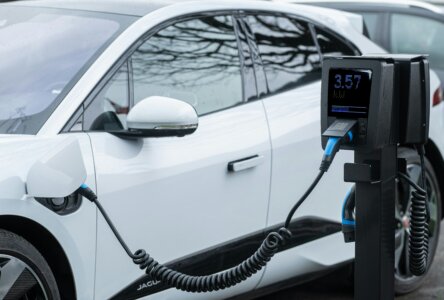
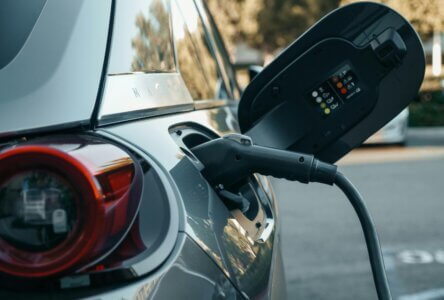
Luxury vehicles and electric vehicles often experience higher diminished value because buyers expect these vehicles to be maintained to manufacturer standards.
These vehicles frequently require specialized equipment, certified technicians, and advanced repair procedures, so choosing a repair facility with the right training and certifications becomes even more important.
If you’ve been involved in a minor collision, our guide to what qualifies as a fender bender explains why even seemingly small accidents deserve professional inspection.
Can You Claim Diminished Value in Canada?
A diminished value claim in Canada depends largely on where you live.
Insurance rules differ between provinces, and many provinces operate under no-fault insurance systems. Because of these differences, recovering diminished value is often more complicated than many drivers expect.
Some provinces offer limited opportunities in certain situations, while others generally do not compensate vehicle owners for diminished value alone.
If you believe your vehicle has experienced a significant loss in value after an accident, review your insurance policy and speak with your insurer. If necessary, consult a qualified legal professional who understands the laws in your province.
Because insurance laws change and vary across Canada, it’s important to confirm how diminished value claims apply to your specific situation.
How Quality Collision Repairs Help Protect Vehicle Value
While no repair can remove an accident from a vehicle’s history, high-quality repairs can help minimize repair-related diminished value.
At Craftsman Collision, we focus on restoring vehicles according to manufacturer standards whenever possible.
Professional repairs often include:
- OEM repair procedures
- Manufacturer-certified repair techniques
- OEM parts when appropriate and approved
- Precise structural measurements
- ADAS calibration following repairs
- Thorough repair documentation
Following manufacturer repair procedures helps restore the vehicle’s safety systems, appearance, and performance while providing future buyers with greater confidence.
If your vehicle has advanced driver assistance systems, proper calibration after repairs is essential to make sure your cameras, sensors, and safety features continue working as designed.
Concerned about protecting your vehicle’s resale value? Find your nearest Craftsman Collision location for a professional repair assessment.
What Drivers Should Do After an Accident
The steps you take after a collision help protect both your vehicle and its future value.
We recommend that you:
- Photograph all visible damage before repairs begin.
- Keep copies of repair estimates.
- Save detailed repair invoices.
- Request documentation showing OEM repair procedures when applicable.
- Keep ADAS calibration reports.
- Retain any vehicle appraisal documents.
- Maintain records of maintenance and repairs after the collision.
Good documentation provides reassurance for future buyers and demonstrates that repairs were completed professionally.
Even a minor collision deserves careful inspection. For example, damage from a fender bender sometimes extends beyond the body panels. Learn more about whether a fender bender can cause transmission problems.
Need collision repairs after an accident? Schedule an estimate with Craftsman Collision.
Frequently Asked Questions About Diminished Value
How do you calculate diminished value after an accident?
Diminished value is calculated by comparing a vehicle’s value before the accident with its value after repairs. Factors include the vehicle’s age, mileage, condition, damage severity, repair quality, and market demand. Some insurers and appraisers also reference the 17c formula, although it is not universally accepted in Canada.
Can you claim diminished value in Canada?
It depends on your province and your insurance coverage. Some provinces allow limited diminished value claims in certain circumstances, while others generally do not. Check with your insurer or seek legal advice if you believe your situation qualifies.
What exactly is a diminished value claim?
A diminished value claim is a request for compensation based on the reduction in a vehicle’s market value after an accident, even if it has been fully repaired.
How long does it take for a car to lose 50% of its value?
Most vehicles lose value gradually through normal depreciation over several years. Accident-related diminished value is separate from normal depreciation and happens immediately after a collision because of the vehicle’s accident history.
Protect Your Vehicle’s Long-Term Value
Diminished value is a real consideration after a collision, and even when repairs are completed correctly, accident history often affects resale value and buyer confidence.
Although you cannot eliminate inherent diminished value, choosing experienced collision repair professionals helps reduce repair-related losses. Following OEM repair procedures, completing proper calibrations, and keeping detailed documentation all help protect your vehicle’s long-term value.
At Craftsman Collision, we perform OEM-focused repairs designed to restore your vehicle’s safety, appearance, and performance while helping preserve its long-term value.
If you’ve been involved in an accident, contact your nearest Craftsman Collision location to schedule a professional repair assessment.