After a collision, a repair shop might say your vehicle needs OEM parts or OEM repair procedures. But for many drivers, those terms are unfamiliar.
You want your car fixed properly, but you also want to know what the repair actually involves and why certain parts or procedures matter.
OEM repair means restoring a vehicle using parts and repair methods approved by the manufacturer, and these factory repair procedures exist for one reason: to bring the vehicle back to the same safety and performance standards it had before the accident.
This matters more than ever today, as modern vehicles contain advanced safety systems, sensors, and cameras that rely on precise installation and calibration.
Following OEM repair procedures helps make sure those systems continue to work as intended after a collision, and at Craftsman Collision, all of our repairs are OEM-certified.
What Is OEM Repair
OEM stands for Original Equipment Manufacturer. In the automotive world, this refers to the company that built the vehicle.
OEM repair means repairing a vehicle using original equipment manufacturer parts and the repair procedures specified by the vehicle maker. These procedures are detailed instructions developed by engineers who designed the vehicle.
OEM repair includes two key elements:
First, the parts used in the repair. OEM car parts are produced by the vehicle manufacturer or an approved supplier and they are designed specifically for the vehicle’s make, model, and year.
Second, the repair process itself. OEM repair procedures outline how technicians should restore the vehicle, including measurements, welding points, materials, and calibration steps.
OEM repair typically involves:
- Manufacturer-produced replacement parts
- Factory repair instructions and measurements
- Specialized tools and diagnostic equipment
- Calibration procedures for safety systems
- Compliance with vehicle manufacturer repair guidelines
Together, these elements help make sure the vehicle is repaired according to the same standards that were used during production.
Why OEM Repair Procedures Matter for Safety
Vehicles today are built with highly precise safety systems, and even small differences in materials, measurements, or installation methods can affect how those systems perform.
OEM repair procedures help guide technicians through every step required to restore the vehicle safely.
One example is structural repairs. The vehicle frame and crumple zones are designed to absorb energy during a collision, so manufacturer repair guidelines specify where panels should be cut, welded, or replaced so those structures continue to protect passengers.
Another important area involves airbag and crash detection systems. Sensors positioned throughout the vehicle detect impact forces and trigger airbags within milliseconds, and improper installation or damaged mounting points can interfere with these systems.
Modern vehicles also rely heavily on Advanced Driver Assistance Systems, which are often referred to as ADAS. These features include lane departure warning, automatic emergency braking, adaptive cruise control, and parking cameras.
After many repairs, ADAS components must be recalibrated.
Key safety areas affected by OEM repair procedures include:
- Structural integrity of the frame and crumple zones
- Airbag sensors and crash detection systems
- Camera and radar calibration after repairs
- Proper alignment of safety components
Following OEM repair procedures helps make sure these systems continue to function correctly.
OEM Parts vs Aftermarket Parts
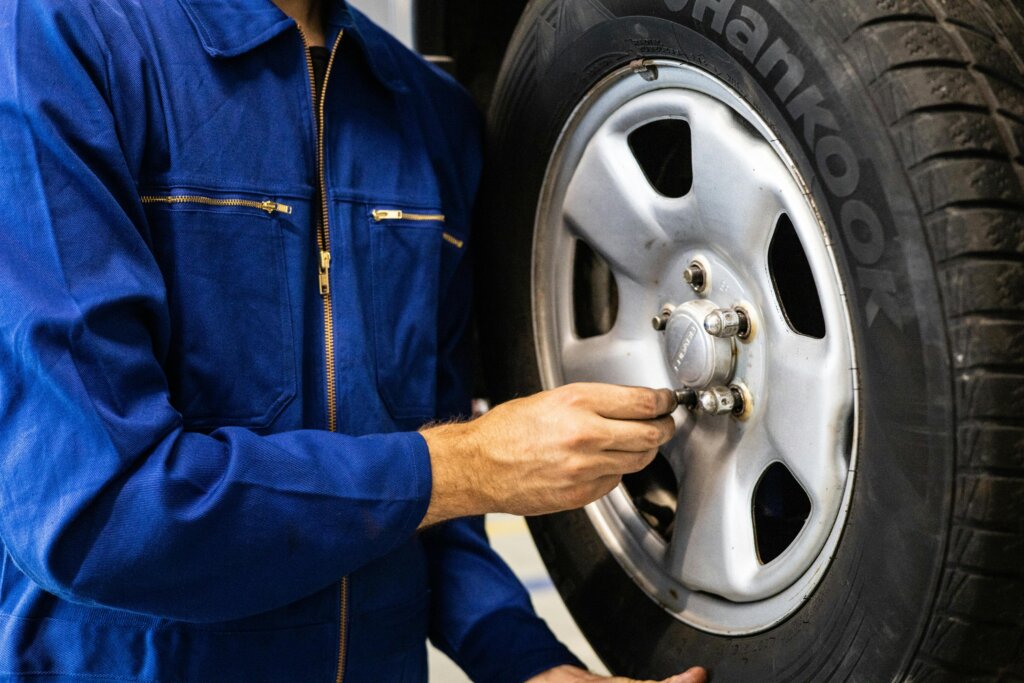
One of the most common questions drivers have after a collision involves the difference between OEM parts and aftermarket parts.
OEM parts are produced by the vehicle manufacturer or its approved suppliers, while aftermarket parts are manufactured by independent companies. Here’s how they compare:
Manufacturer source
OEM parts come from the vehicle maker or approved partners, while aftermarket parts are produced by third-party manufacturers.
Fit and compatibility
OEM parts are designed for a specific vehicle model and typically fit exactly as intended while aftermarket parts might require adjustments during installation.
Safety testing
OEM parts are tested as part of the vehicle’s original safety design while aftermarket parts may not always go through the same level of testing.
Warranty considerations
Using OEM parts can help maintain manufacturer warranty conditions in certain situations as some warranties may not cover repairs using non-approved components.
Typical cost
OEM parts are often more expensive than aftermarket alternatives because they’re produced to manufacturer specifications.
Some aftermarket parts perform well and meet quality standards, but quality varies widely, which is why many vehicle manufacturers recommend OEM parts for important repairs.
When OEM Repair Is Strongly Recommended
While some minor repairs allow flexibility in parts selection, certain situations strongly benefit from OEM repair. Newer vehicles often contain complex electronics and ADAS technology, and these systems rely on precise placement and calibration that follow manufacturer repair procedures.
Structural repairs also require strict adherence to OEM guidelines, including frame repairs, replacement of structural panels, and welding procedures.
OEM repair is commonly recommended in the following situations:
- Newer vehicles with ADAS technology
- Structural or frame repairs
- Lease vehicles that must meet factory standards
- Vehicles still under manufacturer warranty
- Repairs involving airbags or other safety systems
In these cases, using OEM parts and procedures helps make sure the vehicle performs as designed.
How to Know if Your Repair Shop Follows OEM Standards
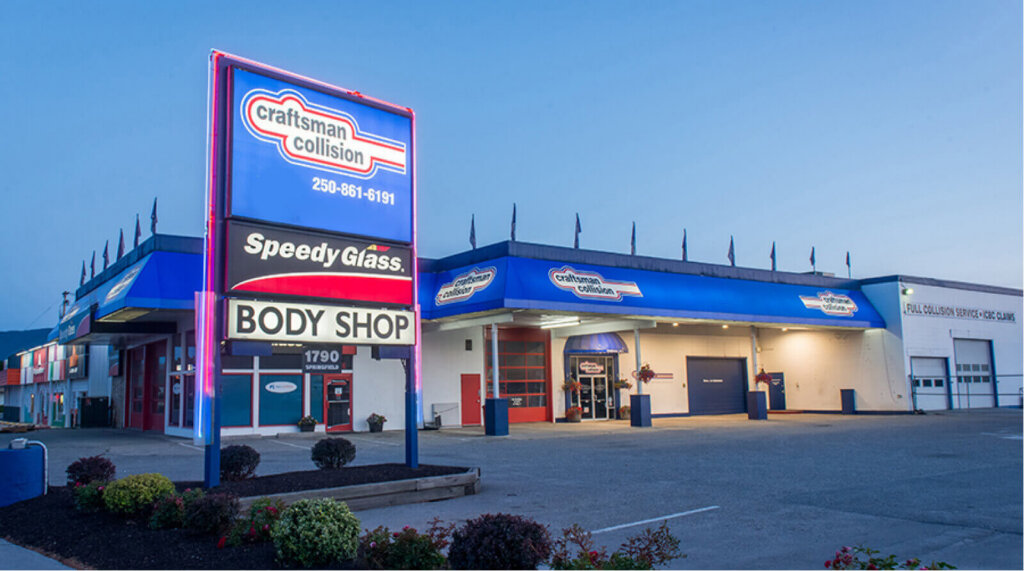
Not all repair facilities operate the same way, and drivers should look for repair shops that follow manufacturer repair guidelines and maintain proper training and equipment.
A repair facility that performs OEM auto repair in Canada typically has technicians that will receive training on manufacturer repair procedures and understand how to restore different vehicle models according to factory standards.
The shop will also have access to OEM repair databases that contain detailed instructions from vehicle manufacturers, including structural diagrams, repair measurements, and safety requirements, and they’ll invest in specialized equipment and tools designed for advanced repairs.
Signs a shop follows OEM standards also include:
- Technicians trained in manufacturer repair procedures
- Access to OEM repair information systems
- Advanced scanning and diagnostic equipment
- Calibration equipment for ADAS safety systems
- Detailed documentation of the repair process
Why OEM Repairs Protect Vehicle Value
Proper repairs do more than restore how a vehicle looks, they also help preserve long-term value. When repairs follow OEM guidelines, buyers and inspectors can feel more confident that the vehicle was restored correctly after a collision.
Poor repairs can create long-term problems, like structural weaknesses, improperly aligned panels, or malfunctioning safety systems that can affect performance or resale value. For example, if a vehicle is repaired using non-approved methods or poorly fitting parts, it might fail a safety inspection later or raise concerns during resale.
Insurance companies and vehicle history reports often reference repair quality as well, and documentation showing that OEM repair procedures were followed can strengthen buyer confidence.
If your vehicle needs collision repair, choosing a facility that follows manufacturer repair guidelines is an important step.
Find a Craftsman Collision location near you for OEM-standard collision repair. Our technicians follow factory repair procedures designed to protect your vehicle’s safety systems and long-term performance.
FAQs About OEM Repairs
What does OEM repair mean?
OEM repair means fixing a vehicle using original equipment manufacturer parts and factory repair procedures designed by the vehicle maker.
Can I install OEM parts myself?
Some minor parts can be installed by vehicle owners, but most collision repairs require specialized tools and calibration equipment to meet OEM repair standards.
Which is better, OEM or original?
OEM parts are original equipment manufacturer parts designed for a specific vehicle model. They typically provide the closest match to the original components installed at the factory.