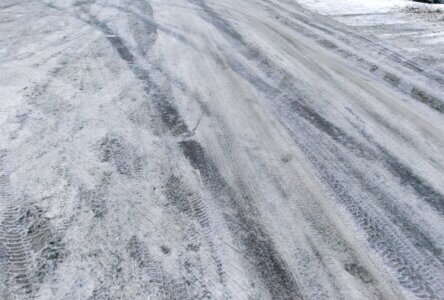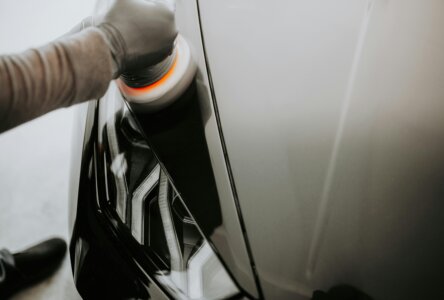
Road salt is a familiar part of winter driving in Canada and helps keep icy roads safer, but many Canadian drivers don’t realize that the same salt that improves traction can also damage your vehicle.
Environment and Climate Change Canada estimates that approximately five million tonnes of road salts are used across Canada each year. With repeated exposure throughout the winter, salty water and slush can collect on your vehicle and accelerate corrosion.
Road salt damage occurs because dissolved salt helps moisture conduct the electrochemical reactions involved in rust, and over time, this salty moisture can attack exposed metal, damaged paint, wheel wells, the undercarriage and other vulnerable areas.
The good news is that with regular cleaning, early inspections and prompt repairs to damaged paint, you can help reduce the risk of road salt corrosion on your car.
Why Does Road Salt Damage Cars?
Water and oxygen are enough to cause iron and steel to rust, and road salt speeds up the process.
When salt dissolves in water, it creates an electrolyte, which makes it easier for the chemical reactions responsible for corrosion to occur. Your vehicle is exposed to this salty mixture every time you drive through winter slush or spray from wet roads.
Salt-laden moisture can also work its way into places you might not notice, including panel seams, wheel wells, scratches, paint chips and areas underneath your vehicle. If a chip or scratch has exposed bare metal, that means there’s one less layer of protection between the metal and corrosive moisture.
Canadian winters create another challenge because vehicles repeatedly move between wet, dry, frozen and thawed conditions. A car covered in salty slush might freeze outside, then thaw in a garage. Salt residue also stays on the vehicle long after the road itself looks dry.
Of course, there’s a reason municipalities that use salt for the roads. Salt lowers the freezing point of water, which helps prevent or remove ice from winter roads. For drivers, the goal is not to avoid road salt entirely, it’s to limit how long it stays on your vehicle.
Where Does Road Salt Cause the Most Damage?
Some parts of a vehicle receive far more exposure to salty road spray than others.
| Vehicle area | Why it is vulnerable | Signs to watch for |
| Wheel wells and wheel arches | Constant exposure to slush, salt and road debris | Rust spots, bubbling paint or corrosion around edges |
| Rocker panels | Located low to the road where salty spray collects | Paint bubbling, chips or visible rust |
| Lower doors and door seams | Moisture and salt can collect around seams and drainage areas | Rust along edges or beneath paint |
| Undercarriage | Frequently exposed to wet, salty roads | Surface rust or more extensive corrosion |
| Frame and structural metal | Road spray reaches exposed or poorly protected areas | Significant rust, flaking metal or deterioration |
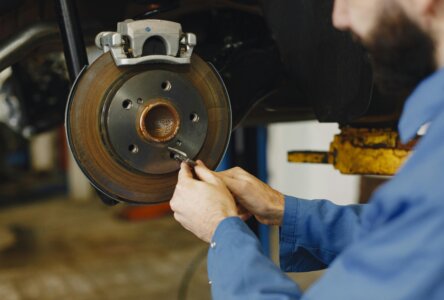
| Brake and fuel lines | Metal components are exposed beneath the vehicle | Visible corrosion requiring mechanical inspection |
| Exhaust components | Heat, moisture and road salt contribute to deterioration | Rust and deteriorating metal |
| Suspension components | Located close to the road and regularly exposed to spray | Visible corrosion |
| Paint chips and scratches | Damage can expose the metal underneath | Rust beginning inside or around the damaged area |
| Chrome and exposed metal | Limited protection from moisture and salt | Pitting, staining or corrosion |
From an auto body perspective, paint chips, scratches, panel seams, wheel arches and rocker panels deserve particular attention. Paint and protective coatings act as barriers, and once those barriers are damaged, salt and moisture have an easier path to the metal underneath.
If winter has exposed or worsened a chip or scratch in your vehicle’s paint, it’s worth having the area assessed before corrosion spreads. You can also learn more about how professional shops approach vehicle finishes in our guide to how auto body shops match paint.
What Does Road Salt Damage Look Like?
Not everything left behind after winter driving is permanent damage, and knowing what to look for helps you tell ordinary salt buildup from signs of corrosion.
White or Chalky Residue
A white or chalky film on your paint, wheels, or lower body panels is often dried salt residue. In many cases, a thorough vehicle wash removes it, but avoid aggressively rubbing dry salt and road grit across the paint, since abrasive particles can scratch the finish.
Paint Chips and Scratches
A paint chip might look minor, but it can expose the metal beneath your vehicle’s protective finish. And once salty moisture reaches bare metal, corrosion can begin. Pay particular attention to chips on lower body panels, wheel arches and other areas frequently hit by winter road debris.
Bubbling or Blistering Paint
Bubbling paint is more concerning than surface salt residue. Corrosion can develop underneath a painted surface and cause the paint to lift, blister or bubble. Simply washing the vehicle will not address corrosion beneath the paint.
Orange or Brown Rust
Orange or brown discolouration on exposed metal is a common sign of rust. Small areas of surface corrosion differ from advanced rust that has weakened or deteriorated the metal. Significant rust on body panels or structural areas deserves professional assessment rather than a cosmetic DIY fix.
Corrosion Around Seams and Edges
Salt and moisture often collect in easy-to-miss areas, so inspect the edges of your doors, wheel arches, rocker panels, and panel seams. Rust developing around these areas can spread beneath surrounding paint or coatings before it becomes obvious from the outside.
How to Protect Your Vehicle From Road Salt Damage
You cannot keep a Canadian winter vehicle away from road salt altogether, but you can reduce how much salt stays on it.
- Wash your vehicle regularly throughout winter. Removing accumulated salt limits how long corrosive residue stays in contact with the vehicle.
- Choose a wash that cleans the undercarriage. The underside of your vehicle takes a lot of salt exposure and is easy to overlook.
- Pay attention to wheel wells and lower body panels. These areas are directly exposed to road spray and slush.
- Do not wait until spring. Months of accumulated salt give moisture and residue more time to affect vulnerable metal.
- Apply appropriate paint protection or wax before winter. Maintaining the exterior finish adds another protective barrier between the paint and winter contaminants.
- Repair paint chips and scratches. Addressing damage before corrosion develops helps protect exposed metal.
- Inspect your vehicle after winter. Spring is a good time to look closely at wheel arches, rocker panels, lower doors and existing paint damage. Our spring driving tips also cover other vehicle checks worth making as winter ends.
- Use rubber floor mats. They help keep salty slush from soaking into interior carpeting.
- Do not scrub dry salt and grit across your paint. Rinse away loose contamination first to reduce the risk of scratching the finish.
These habits are useful for gas-powered vehicles and EVs alike. EV owners can find more seasonal advice in our EV winter driving tips and guide to EV maintenance.
Should You Wash Your Car When There Is Still Salt on the Roads?
Yes, you don’t need to wait until the roads are completely free of salt before washing your vehicle. Your car might get dirty again a few days later, but washing still removes the buildup already sitting on the vehicle. Think of winter washing as corrosion prevention rather than an attempt to keep your car spotless.
When possible, choose a wash with an underbody cleaning option and make sure the wheel wells and lower panels are thoroughly rinsed. Use appropriate precautions when washing in extremely cold weather, because water can freeze around doors, locks, and other components if the vehicle doesn’t have a chance to dry properly.
Regular winter washing is especially worthwhile after periods of heavy salt use or when temperatures rise enough to create wet, salty road spray.
When Does Salt Damage Need Professional Attention?
Routine salt buildup usually calls for a good wash, and any visible changes to your paint or body panels deserve closer attention.
Consider having your vehicle inspected if you notice:
- Bubbling, blistering or peeling paint
- Rust spreading from a paint chip or scratch
- Corrosion around panel seams
- Rust around wheel arches or rocker panels
- Damage that exposes bare metal
- Corrosion around an area previously damaged in a collision
- Significant body rust or deteriorating metal
A collision repair facility can examine the affected area to determine whether the problem appears limited to the surface or has progressed beneath the paint or into the panel.
This is particularly important when corrosion appears around previous body damage. Scratches, dents and collision damage can compromise paint and protective coatings, which creates an entry point for moisture and salt.
Not sure whether winter salt has damaged your paint or body panels? A Craftsman Collision technician can inspect the affected area and explain your repair options.
Road Salt Damage FAQs
Is road salt harmful to humans?
Road salt is intended for roads, not consumption, and normal incidental contact is different from swallowing road salt or experiencing significant exposure. Road salts can also affect freshwater, soil, vegetation and wildlife when they accumulate in the environment.
For health concerns involving significant exposure or ingestion, always seek advice from an appropriate medical or poison-control resource.
How long does it take for salt to damage a car?
There is no universal timeline for road salt damage and the rate of corrosion depends on factors like moisture, salt concentration, temperature, protective coatings, existing paint damage, washing frequency and how often the vehicle is exposed to salty roads.
A vehicle with intact paint and protective coatings is better protected than one with exposed metal because a small chip or scratch can give salty moisture direct access to the metal beneath the finish. For this reason, prevention is more useful than waiting for a specific amount of time before taking action.
Is road salt bad for your car?
Yes, repeated road salt exposure promotes corrosion and can contribute to deterioration of paint, metal body components and parts beneath the vehicle. Regular washing and prompt attention to paint damage can help reduce the risk.
Are salt stains permanent?
Salt residue itself is often removable with proper cleaning, and a white film or visible salt deposit does not automatically mean your paint has been permanently damaged.
Problems arise when prolonged exposure contributes to staining, etching, rust or deterioration beneath the paint. Those issues might remain after the salt itself has been washed away.
If washing reveals bubbling paint, exposed metal or visible corrosion, have the affected area inspected.
Stay Ahead of Winter Road Salt Damage
Road salt serves an important purpose on Canadian winter roads, but it’s hard on vehicles. Regular washing, underbody cleaning, and attention to paint chips and scratches go a long way toward reducing road salt rust and corrosion.
Pay particular attention to your wheel wells, rocker panels, lower doors and any area where paint has been damaged. Early signs like bubbling paint or rust around a chip are easier to address before corrosion spreads further.
Not sure if you’re looking at harmless salt residue or body corrosion? Visit Craftsman Collision for expert advice on your vehicle’s paint and body damage. An early assessment can help you understand the extent of the damage and your repair options.